
Is Plant-Based Moisturizer Good for Aging Skin?

Last Updated: November 4, 2026
Quick Summary
A plant-based moisturizer is good for aging skin when it pairs hydration with barrier support, combining humectants like aloe and glycerin with fatty-acid-rich plant oils such as jojoba, rosehip, and avocado. Match the texture to your skin type, and choose fragrance-free formulas if your skin is reactive.
Ingredients are listed in descending order of concentration until the 1% mark, so judge a formula by position, not the front label.
For skin over 50, a rich but absorbent cream suits mature skin better than a light lotion.
Oily and combination mature skin does best with gel creams listing aloe, glycerin, and hyaluronic acid high up.
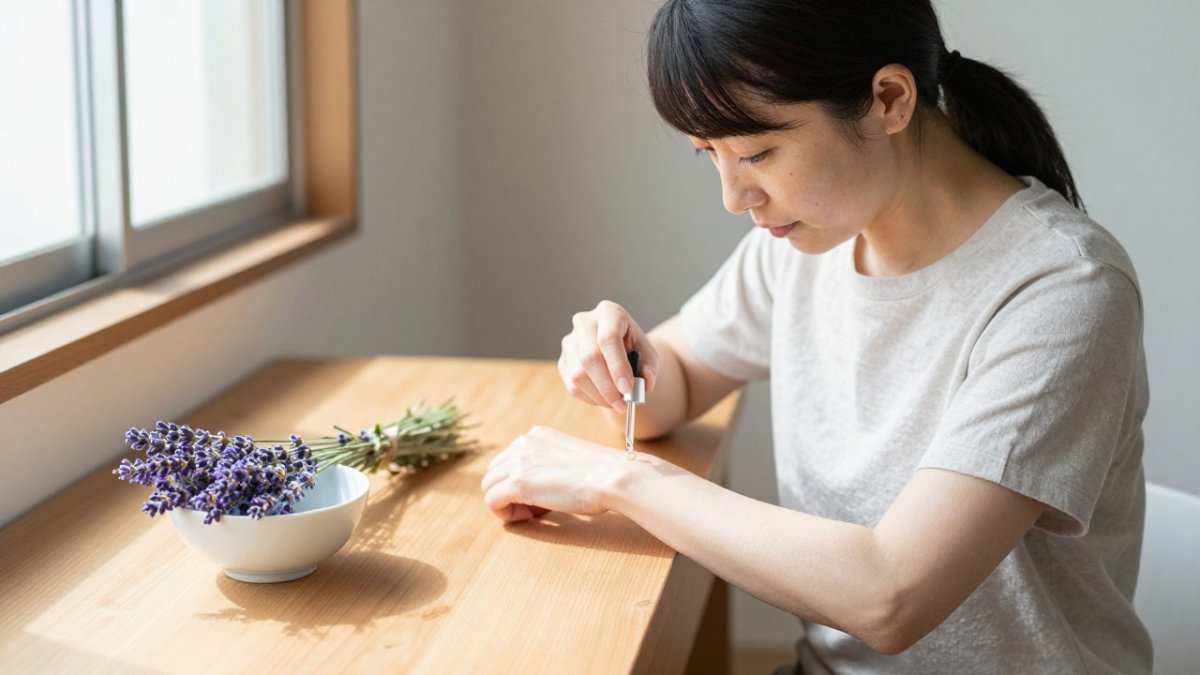
Patch-test new creams on your inner arm for a few days before applying them to your face.
Plant-based moisturizers can soften the look of fine lines but cannot erase deep wrinkles or replace prescription retinoids.
Table of Contents
Quick Comparison: Best Plant-Based Moisturizers for Aging Skin
Finding the best plant based moisturizer for aging skin starts with understanding what your skin actually needs. At B Andrew Skin Care, we design our skincare as whole food for the skin, made with vegan, cold-pressed ingredients and free of parabens, sulfates, and GMOs. Here is how the options stack up before we dig into the details.
Option | Best For | Key Ingredients | Texture | Fragrance |
B Andrew Skin Care Daily Facial Cream | Daily anti-aging care, most skin types | Cold-pressed plant oils, vitamins, minerals | Lightweight cream | Fragrance-free |
B Andrew Skin Care Night Cream | Mature skin needing overnight repair | Nutrient-rich botanical oils | Rich cream | Fragrance-free |
Gel cream formulas | Oily and combination skin | Aloe, hyaluronic acid | Light gel | Varies |
Balm or salve formulas | Very dry skin | Shea, plant waxes | Heavy balm | Varies |
A plant-based moisturizer is a face cream whose base comes from botanical ingredients, such as plant oils, butters, and extracts, rather than synthetic emollients or petrolatum. For aging skin, the best plant-based formulas pair hydration with barrier support. You can shop the organic face cream to see the full ingredient story.
What to Look For in a Plant-Based Moisturizer for Aging Skin
Start with the ingredient list, not the front label. Mature skin loses moisture and elasticity over time, so a plant-based moisturizer for aging skin should combine humectants, emollients, and barrier-supporting ingredients in a formula you will actually use twice a day. The label tells you what is inside; the order tells you how much of it is there.
Three things matter most:
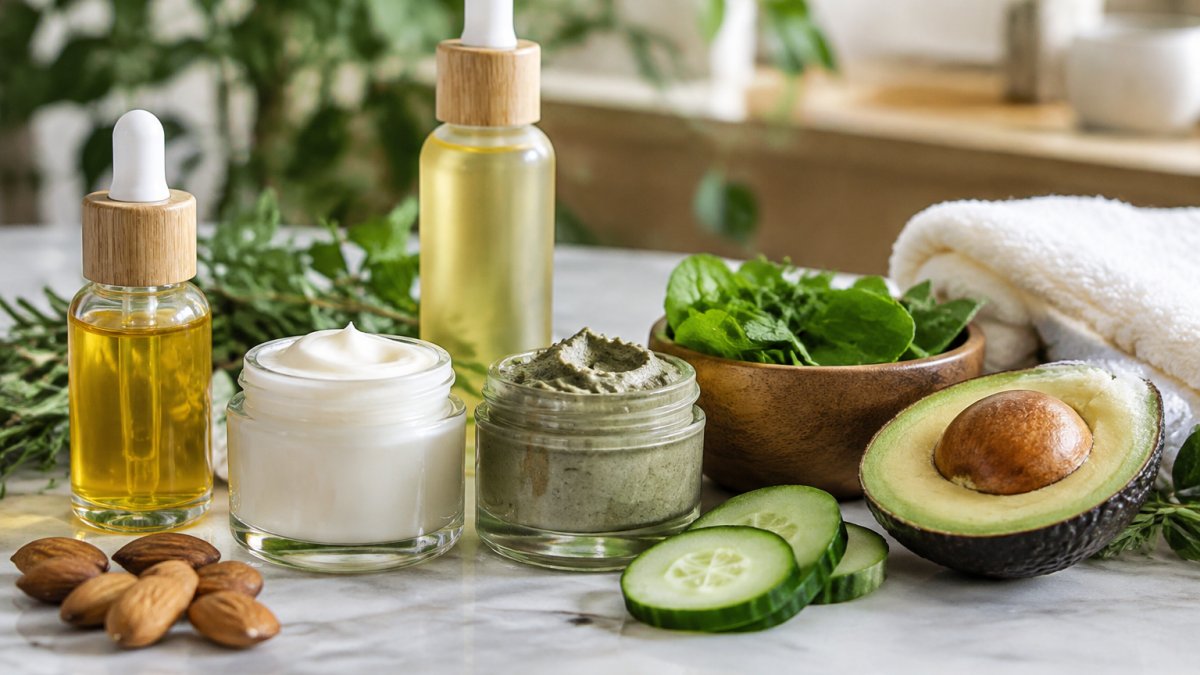
Plant oils high in fatty acids (jojoba, rosehip, avocado) to soften and seal in moisture
Humectants like aloe and glycerin to draw water into the skin
No fragrance or drying alcohols if your skin is reactive
A common mistake is buying the richest cream on the shelf. Very heavy balms can sit on top of the skin instead of absorbing, especially for combination skin. Look for a cream that sinks in and leaves skin supple, not greasy.
Read the Ingredient List Like a Formulator
Ingredients are listed in descending order of concentration until the 1% mark, after which brands may list them in any order. That single rule changes how you read a label. If rosehip oil or shea butter appears after the preservative and fragrance, the formula likely contains more of those than of the headline botanical.
Watch out: a "plant-based" cream can still be built on a water-and-glycerin base with a token amount of the oil pictured on the box, so judge the formula by position and not by the front-of-pack claim.
Key Moisturizing Ingredients and What They Actually Do
What most guides miss is concentration. An ingredient can appear on the label and still be present in tiny amounts. Look for brands that list botanicals near the top of the list and are transparent about sourcing. When a brand discloses a percentage, treat it as a starting point for comparison rather than proof of results, because the base formula and the delivery system matter as much as the number.
Formulation Details That Change Performance
Two creams with identical active lists can behave completely differently. Water content decides whether a product feels like a gel or a cream. Emulsifiers keep oil and water mixed; a poorly balanced emulsion can separate or feel tacky. Preservatives matter in any water-containing formula, and plant-based products are not exempt, because botanicals and water support microbial growth.
A practical comparison: a gel cream with aloe and hyaluronic acid high on the list suits oily or humid-climate skin, while a cream with shea butter and jojoba near the top suits dry, cold-weather skin. Neither is universally better; the match between formula and skin is what determines results.
Vegan and Cruelty-Free Labeling: What It Actually Proves
Vegan means no animal-derived ingredients. Cruelty-free means no animal testing. Neither label tells you anything about how well a moisturizer works, and neither is a guarantee of quality. A vegan cream can still be full of fillers, and a cruelty-free product can still irritate sensitive skin.
Treat these labels as ethics signals, not efficacy claims. What proves a formula is worth your money is the ingredient list, the texture, and how your skin responds over several weeks. Certification programs add a layer of verification, but they verify sourcing and testing claims, not anti-aging performance.
Best Plant Based Moisturizer for Aging Skin Over 50
For skin over 50, hydration and barrier repair matter more than ever. Oil production drops, skin thins, and moisture evaporates faster, so a rich but absorbent cream does more for mature skin than a light lotion. A rich, plant-based moisturizer used at night suits many people over 50 who want something substantial without a greasy surface feel.
How you apply it matters as much as what you apply. Press the cream into damp skin after cleansing, and give it a minute to absorb before bed. For daytime, a lighter cream layered under sunscreen keeps skin comfortable without heaviness.
Best Organic Face Moisturizer for Aging Skin by Skin Type
Skin type decides which texture wins. An organic face moisturizer for aging skin should match your skin's oil balance, not fight it. Aging skin is not one category: a woman in her fifties can be dry and flaky on the cheeks, oily through the T-zone, and prone to breakouts along the jaw, all at once. Here is how we think about the split.
Dry and Dehydrated Skin
Dry skin lacks oil; dehydrated skin lacks water. Many people over 40 have both. Reach for richer creams with plant oils and butters, and apply them to slightly damp skin to trap water. A cream that lists cold-pressed oils early will generally feel more cushioning than a water-based gel. If your skin feels tight after cleansing, that is your cue to step up to a richer formula.
Watch out: layering a heavy balm over dehydrated but not dry skin can trap heat and trigger congestion, so match the texture to whether you lack oil, water, or both.
Oily and Combination Mature Skin
Oil production does not always drop with age. Some mature skin stays oily, and hormonal shifts can increase breakouts along the jaw and chin. For this skin type, a gel cream or lotion with aloe, glycerin, and hyaluronic acid high on the list absorbs quickly and hydrates without adding weight.
A common pattern is treating oily skin as if it needs to be dried out. Stripping cleansers and alcohol-heavy toners push skin to produce more oil, so the better move is lightweight hydration plus a non-comedogenic plant oil such as jojoba, which mirrors skin's own sebum and absorbs well.
Acne-Prone Mature Skin
Acne after 40 often looks different from teenage acne: fewer blackheads, more inflammatory bumps along the jaw and chin, and sometimes a hormonal pattern tied to perimenopause. Acne-prone skin generally needs a formula that is non-comedogenic and free of heavy occlusives. Look for gel textures, short ingredient lists, and oils with low comedogenic ratings such as jojoba and squalane. Patch-test on the jawline for a week before committing to a full-face application.
Sensitive, Eczema-Prone, and Reactive Skin
Reactive skin needs fewer ingredients, not more. Fragrance-free formulas with short ingredient lists reduce the chance of a reaction. Patch-test any new cream on your inner arm for a few days before using it on your face. If you live with eczema, choose soothing botanicals like aloe and oat over anything with essential oils or acids. Our full organic skincare range is sorted by concern so you can match a moisturizer to your skin type without guessing.
Skin Changing With Hormones and Life Stage
Perimenopause and menopause change skin in ways a single "mature skin" label does not capture. Estrogen decline is associated with reduced oil production, thinner skin, and slower barrier recovery, which is why some women who were oily for decades suddenly need a richer cream. Others develop sensitivity they never had before. The practical approach is to reassess your skin every few months rather than buying the same product on repeat, and to keep a lighter gel cream and a richer night cream on hand so you can adjust as your skin changes.
Benefits of Botanical Oils for Mature Skin

Botanical oils do two jobs for mature skin: they soften the surface and help hold moisture in. Unlike mineral oil, plant oils often bring antioxidants and fatty acids along with them. Jojoba mirrors skin's own sebum, so it absorbs well.
The benefits of botanical oils for mature skin come down to consistency. Oils used daily, in a formula that absorbs, improve suppleness and reduce the look of flakiness over time. Oils used occasionally do very little.
What Plant-Based Moisturizers Can and Cannot Do for Wrinkles
Plant-based moisturizers are generally understood to soften the look of fine lines and support skin texture. They cannot erase deep wrinkles, lift sagging skin, or replace prescription retinoids.
Here is what to expect realistically:
If a brand promises to remove wrinkles entirely with botanicals alone, treat that as a red flag.
Fragrance, Allergens, and Irritation Risk in Clean Skincare
Fragrance is one of the most common causes of irritation in skincare, and "natural" fragrance is no safer than synthetic. Essential oils like citrus, lavender, and peppermint can trigger redness and stinging in reactive skin. For anyone with sensitive or eczema-prone skin, fragrance-free is the safer default.
Clean skincare does not automatically mean gentle. Botanical extracts can be allergens too. If you want to understand the full picture, our article on why fragrance-free skincare is better for sensitive skin breaks down the most common triggers and how to spot them on a label.
Building a Routine Around Your Plant-Based Moisturizer
A moisturizer works best as part of a simple, consistent routine. Keep it to three or four steps, and let the cream do its job.
Cleanse with a gentle, non-stripping cleanser
Apply any treatment serum to damp skin
Press moisturizer into the skin, morning and night
Use a richer cream or night formula in the evening
Apply sunscreen every morning as the final step
A common mistake is layering too many actives at once. If your skin stings or flakes, strip back to cleanser, moisturizer, and sunscreen for two weeks. Our guide on how to repair a damaged skin barrier naturally walks through the full routine step by step, including how to layer moisture without overloading reactive skin.
Frequently Asked Questions
Can plant-based skincare actually help with collagen production?
Plant-based moisturizers do not replace collagen directly, but some ingredients support the skin's own repair processes. Peptides and botanical antioxidants help protect existing collagen from environmental damage, while ceramides and plant oils strengthen the skin barrier so moisture stays in. The result is skin that looks firmer and plumper over time. Set realistic expectations: a moisturizer supports collagen health, but it will not reverse deep wrinkles the way a prescription retinoid can. Consistent use over eight to twelve weeks is where most people notice a difference.
How do plant-based moisturizers compare to synthetic anti-aging creams?
Synthetic creams often rely on isolated actives like retinol or glycolic acid at measurable concentrations, which can deliver faster visible change but also carry more irritation risk. A plant-based moisturizer leans on botanical oils, ceramides, and antioxidants to hydrate and support the barrier, which suits sensitive or reactive skin better. Many people use both: a plant-based moisturizer as the daily base and a targeted active a few nights a week. The best plant-based moisturizer for aging skin is one you will actually use twice a day.
What should I look for in a vegan moisturizer for wrinkles?
Check the ingredient list for humectants like hyaluronic acid or aloe, barrier ingredients like ceramides, and plant oils such as rosehip or sea buckthorn that are rich in fatty acids. Look for fragrance-free formulas if your skin reacts easily, and confirm the vegan claim is stated clearly on the packaging rather than implied. Also check whether the brand discloses concentrations or full ingredient sourcing. A short, transparent ingredient list usually beats a long one padded with extracts at levels too low to do anything.
How long does it take to see results from a plant-based moisturizer?
Results vary by person and by formula. Many people notice improved hydration relatively quickly, while visible changes in fine lines and firmness generally take consistent use over a longer period. Take a photo in the same lighting before you start so you can compare honestly. If you see redness or stinging in the first few days, stop and check the fragrance and essential oil content before continuing.
Aging skin asks for moisture, barrier support, and patience, and the right plant-based formula can deliver all three. B Andrew Skin Care makes 100% organic, vegan creams in small batches, with cold-pressed botanicals and no parabens, sulfates, or fillers. Our Daily Facial Cream and Night Cream are built to restore hydration, support collagen, and soften the look of fine lines. Get started with B Andrew Skin Care and give your skin the whole-food care it has been missing.
Comments